
ABA Therapy for Social Interaction & Social Skills Development
Strong social interaction skills are foundational to connection, confidence, and independence. When a child experiences difficulty engaging with peers, interpreting social cues, or maintaining conversations, structured and evidence-based support can make a meaningful difference.
At Kerry Maisels Behaviour Consulting, we provide individualized ABA therapy for social interaction to help children and teens build practical, functional social skills across home, school, and community settings.
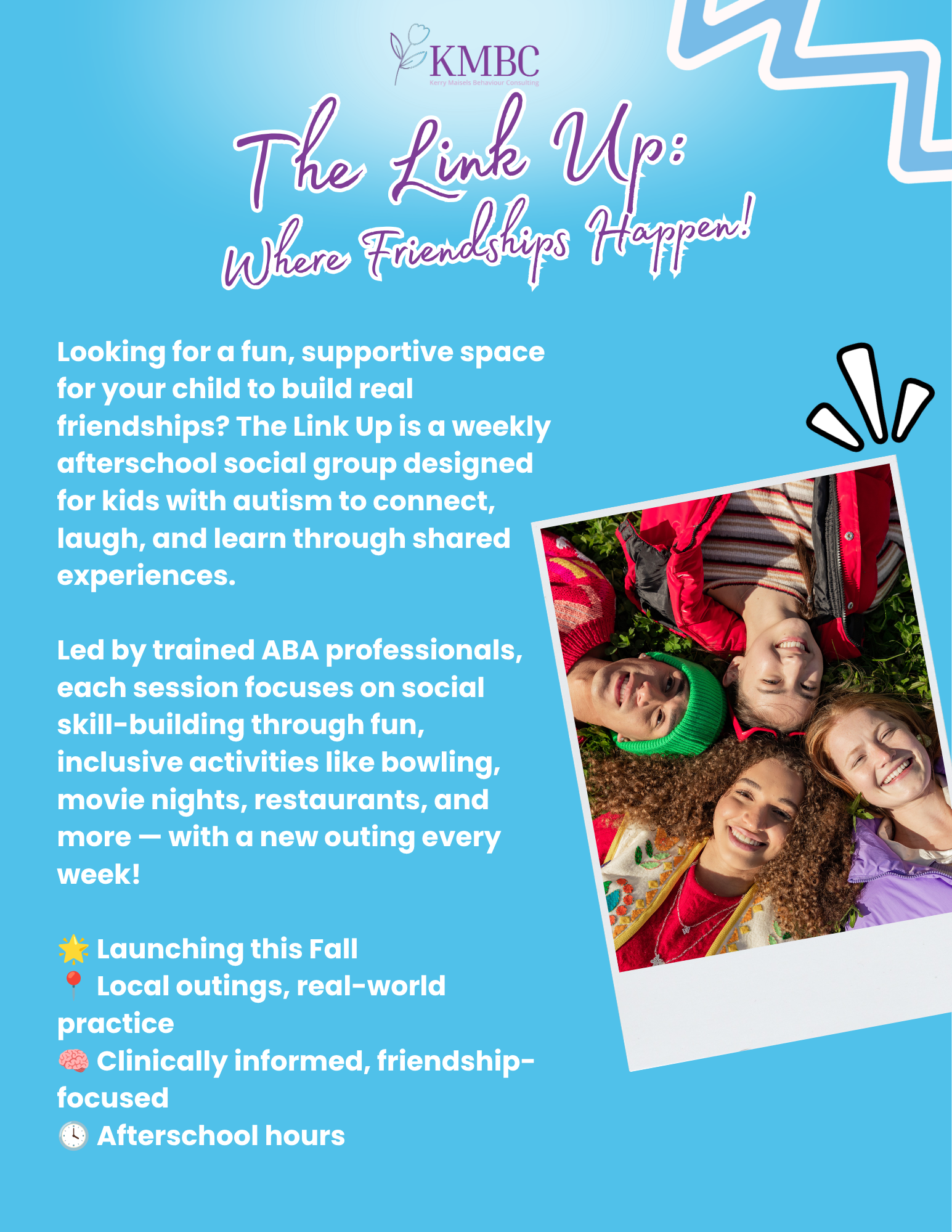
We are excited to announce the launch of our Fall Link Up Group, an 8-week community-based social group designed for children and youth ages 9-14 to build friendships, strengthen social skills, and gain confidence while participating in fun activities alongside peers.
As a valued member of the KMBC community, your family is receiving exclusive early access to registration before the program opens to the public.
📅 Program Details
Dates: October 1 - November 19, 2026 (Every Thursday for 8 weeks)
Ages: 9-14 years
Location: Etobicoke
Group Size: 10 participants
Staffing Ratio: 1 Therapist : 3 Children
Cost: $1120 (RBA Supervision Included)
All activities will take place within approximately 15-30 minutes driving distance of M9A 3C1 (Etobicoke).
🎉 Planned Activities
Participants can look forward to a variety of engaging community experiences, including:
- 🎳 Bowling
- 🎮 Activate
- 🔍 Scavenger Hunt & Outdoor Games at Centennial Park
- 🎲 Board Games & Social Hangouts at Humber Valley United Church
- 🎨 Ceramic Painting
- ☕ Games Café Visit
- 🌿 Anga's Farm & Nursery
Please note that activities are subject to venue availability and will be finalized by September.
💙 Who Is This Group Designed For?
The Link Up Group is intended for children and youth who will benefit from practicing social skills and building friendships in community settings. Participants should be able to:
✅ Communicate their basic wants, needs, and feelings independently (using spoken language, AAC, or other established communication methods)
✅ Participate in a small group setting with peers
✅ Follow basic group expectations and adult direction
✅ Transition between activities and community locations with support from group leaders
✅ Remain with the group in community settings and respond to safety instructions
✅ Participate successfully within a 1:3 therapist-to-child ratio
Is This Group the Right Fit?
At this time, the Link Up Group may not be suitable for participants who:
- Require dedicated 1:1 support to participate safely and successfully
- Have a history of elopement or difficulty remaining with a group in community settings
- Engage in severe challenging behaviours that pose a safety risk to themselves or others
- Require a level of support that cannot be safely provided within the group's 1:3 staffing ratio
If you are unsure whether this group is the right fit for your child, we encourage you to reach out to discuss their needs with our team.
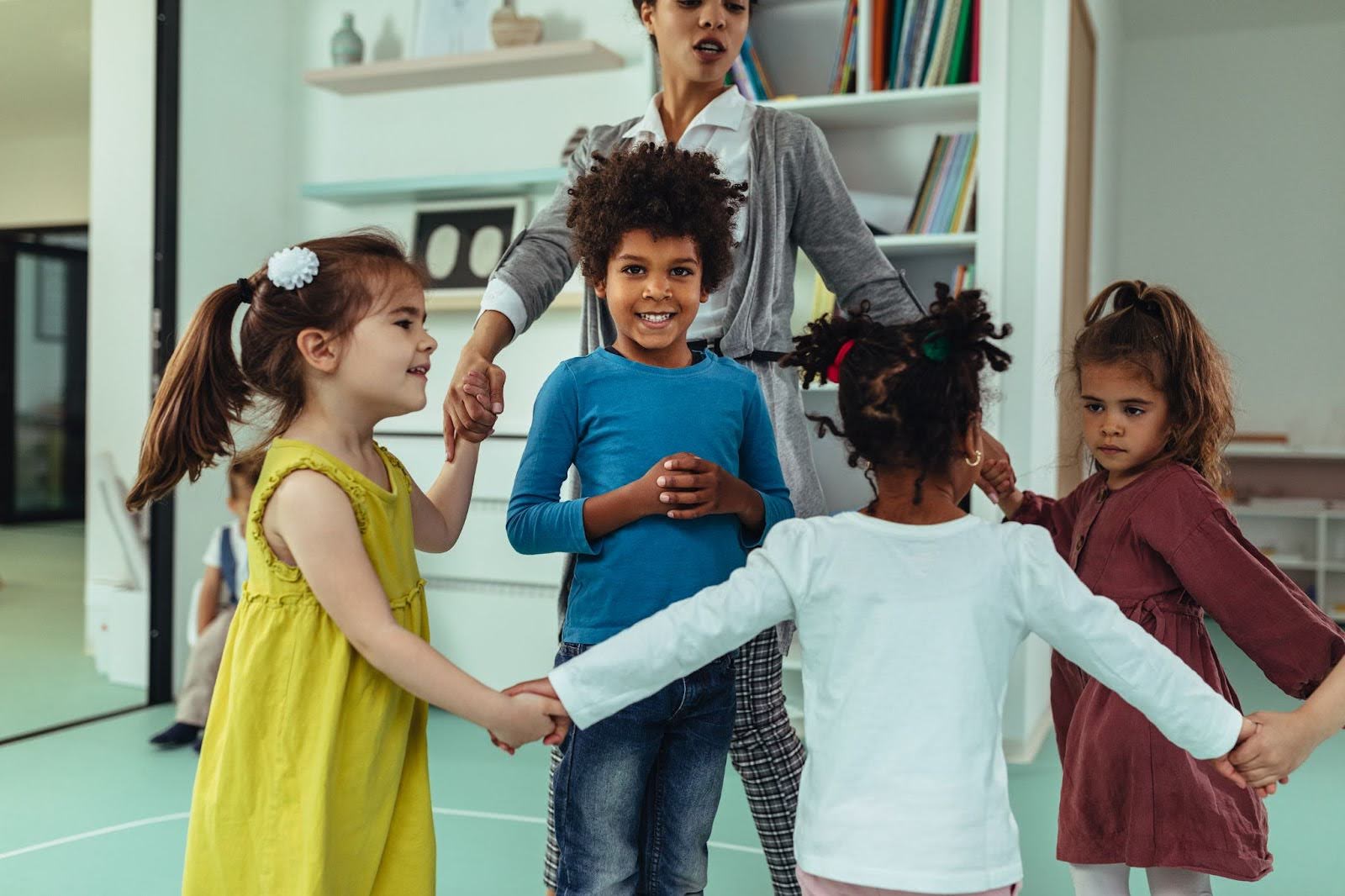
What Is ABA Therapy for Social Interaction?
ABA therapy for social interaction focuses on helping children develop the communication and interpersonal skills needed to participate confidently in everyday social environments. These skills may include initiating conversations, maintaining reciprocal exchanges, interpreting nonverbal communication, and responding appropriately during peer interactions.
For some children, particularly those participating in a social skills program for autism, social development does not occur intuitively. In these cases, explicit and systematic teaching can support meaningful progress. Therapy is designed to meet each child at their current developmental level while building toward greater independence and flexibility in social settings.
How ABA Therapy Supports Social Skills

Each child receives an individualized plan based on a comprehensive assessment of strengths, needs, and current developmental level.
We focus on building meaningful, functional skills — not scripted responses — so children can apply what they learn in real-life situations.
Social Skills Programs for Autism
Many families seek social skills programs for autism to support their child’s ability to connect with peers and navigate social expectations. Children on the autism spectrum may experience challenges with perspective-taking, emotional regulation in group settings, conversational reciprocity, or understanding social boundaries.
Our programs are designed to address these areas thoughtfully and respectfully. Rather than focusing solely on surface-level behaviours, we emphasize understanding social context, flexibility, and confidence. Skill generalization is prioritized so children can apply what they learn at school, in extracurricular activities, and within their broader community.
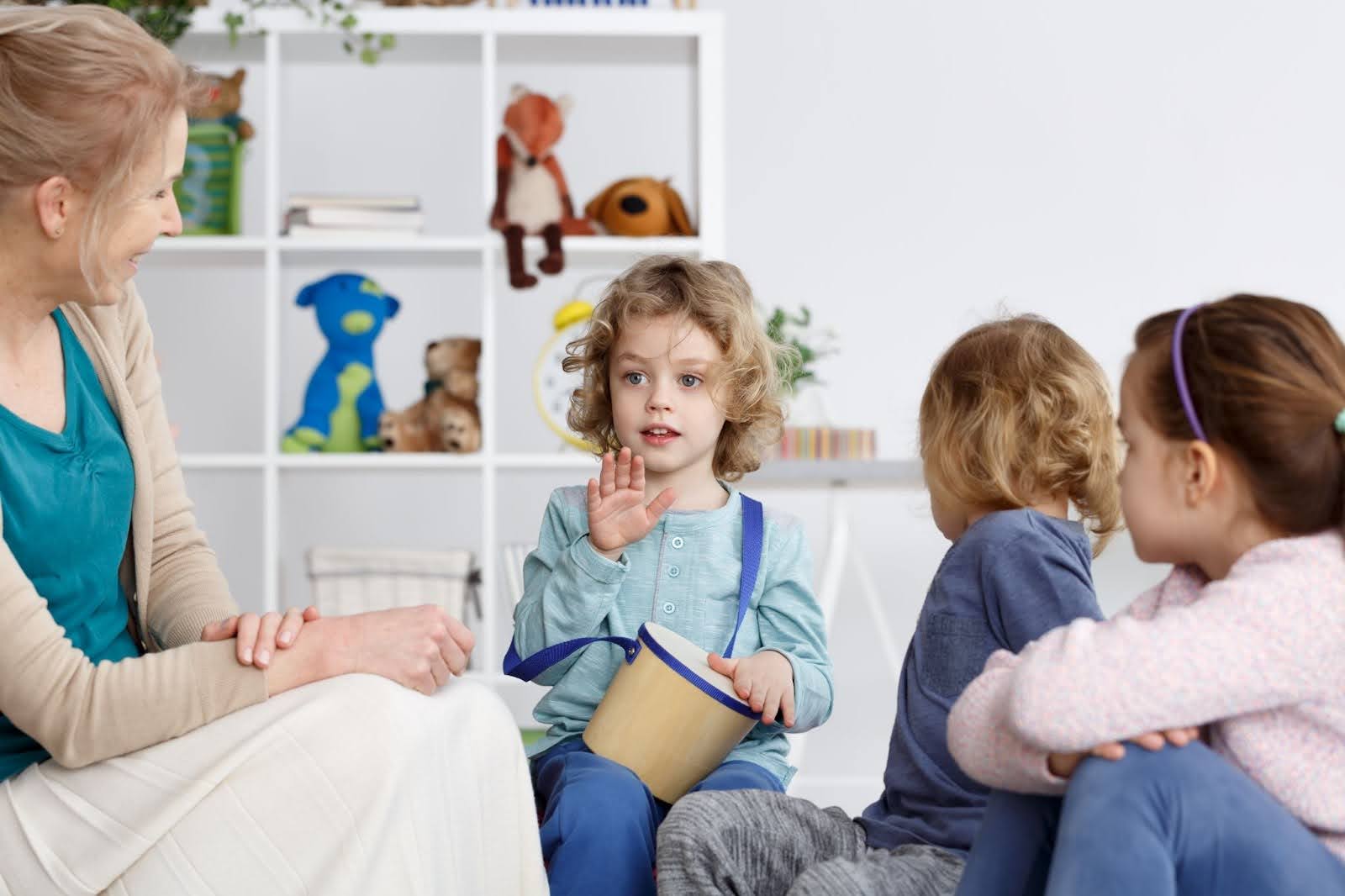
Who We Support
 Young children developing early social communication skills
- School-aged children navigating peer relationships
- Children diagnosed with autism spectrum disorder
- Children experiencing social communication challenges
- Teens working toward greater independence in social settings
What Social Skills Training Programs May Include
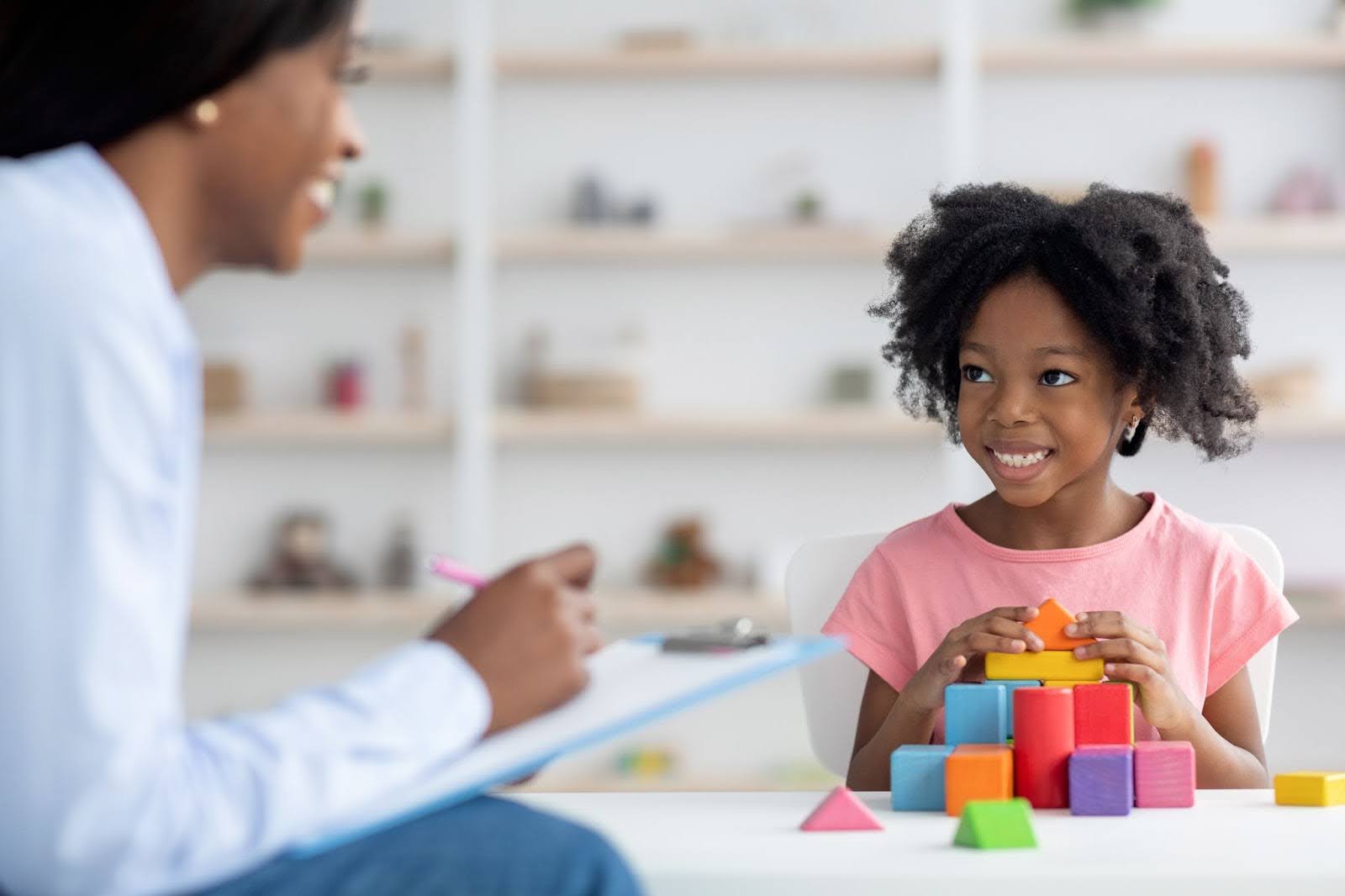
Social skills training programs are tailored to the individual child and may involve both structured and naturalistic teaching approaches. Individual sessions often focus on building foundational communication skills, strengthening social initiation, and developing reciprocal interaction patterns.
When appropriate, small group opportunities may be incorporated to allow children to practice cooperative play, shared problem-solving, and conversational exchanges in a supported environment. Group settings can provide valuable opportunities for real-time feedback and peer learning.
Caregiver coaching is an essential component of effective programming. Parents and caregivers are provided with practical strategies to reinforce social goals at home and support their child through challenging interactions. Collaboration with educators and other professionals may also be included to promote consistency across environments.
Where Services Take Place
 In-home settings
- School environments
- Community settings
- Virtual sessions (when appropriate)
Why Families Choose Kerry Maisels Behaviour Consulting


Get Your Child Started with ABA Therapy for Social Interaction
If you’re seeking ABA therapy for social interaction in Toronto or online support anywhere in Ontario, we’re here to help.
Early, compassionate intervention can support meaningful socialization and confidence — for both children and families.
